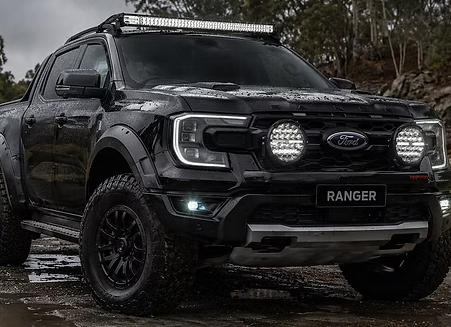
Off-road driving demands reliable lighting systems that can withstand extreme terrain, unpredictable weather, and low-visibility conditions. In recent years, demand for advanced lighting solutions has increased significantly as studies show that improved illumination can reduce nighttime off-road incidents by more than 35%. Drivers today prioritize durability, brightness, and energy efficiency when upgrading their vehicles. Modern lighting systems have evolved to deliver higher lumen output while consuming less power, making them essential for both recreational and professional off-road use. Among the most effective upgrades available are VEHICLE LED LIGHT BARS designed to enhance road clarity, expand beam coverage, and improve overall driving confidence in challenging environments.
Why LED Light Bars Matter in Off-Road Driving
Off-road trails often lack natural or artificial lighting, making visibility a critical safety factor. LED light bars provide a wider and more focused beam pattern compared to traditional halogen systems. This allows drivers to detect obstacles such as rocks, uneven terrain, or wildlife at greater distances. Additionally, LED technology performs efficiently in dusty, rainy, or foggy conditions, ensuring consistent brightness. Their instant-on capability also eliminates warm-up delays, which is especially useful in emergency or sudden navigation situations. For off-road enthusiasts, this reliability directly translates into safer and more controlled driving experiences.
Performance Benefits Backed by Real-World Usage Data
Field performance data consistently shows that high-quality LED light bars can deliver up to 200% more effective illumination compared to standard factory headlights. They also consume nearly 60% less energy, reducing strain on vehicle batteries during extended trips. Heat management systems in modern units further enhance lifespan, often exceeding 30,000 to 50,000 operating hours. This combination of efficiency and durability makes LED light bars a cost-effective long-term investment for both casual drivers and commercial off-road operators. Their rugged construction also ensures resistance against vibration and impact, which are common in rough terrain conditions.
Key Features to Look for in High-Performance Models
When selecting an LED light bar, beam pattern is one of the most important considerations. Combo beams offer both spot and flood lighting for balanced visibility. Waterproof ratings such as IP67 or IP68 ensure protection against water and dust intrusion. Aluminum housing improves heat dissipation, while polycarbonate lenses provide impact resistance. Adjustable mounting brackets also enhance installation flexibility across different vehicle types. These features collectively determine the overall performance and reliability of the lighting system in demanding environments.
Maintenance and Long-Term Reliability
One of the major advantages of LED technology is its low maintenance requirement. Regular cleaning of the lens surface ensures maximum light output, especially after off-road use where mud and dust accumulation is common. Checking wiring connections periodically helps maintain consistent performance. Unlike traditional bulbs, LED systems do not require frequent replacements, making them highly dependable for long-term usage. With proper care, these lighting systems can deliver consistent performance for years, supporting safer and more efficient off-road adventures.
