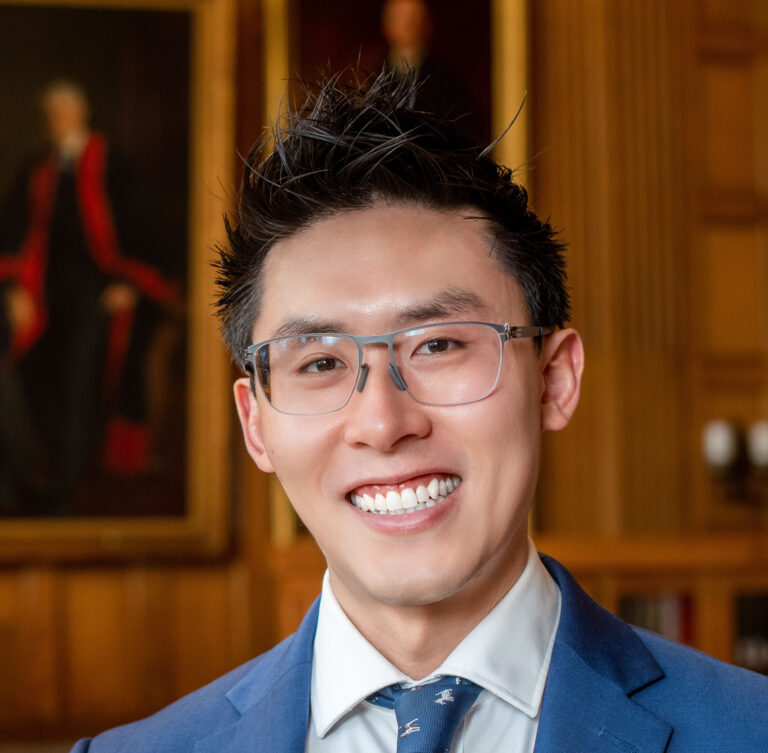
Facial aesthetic procedures require more than technical skill alone. Precision, careful planning, and a detailed understanding of facial anatomy all contribute to achieving balanced and natural-looking outcomes. Dr. Thanapoom Boonipat reflects an approach to facial aesthetics in which surgical accuracy is combined with individualized assessment. Every face has different proportions, contours, and structural characteristics, making personalized planning an important part of the aesthetic process.
Why Precision Matters in Facial Aesthetics
Precision is fundamental when making changes to facial features. Even subtle adjustments can influence overall facial harmony, which is why aesthetic procedures require careful evaluation before treatment. A surgeon must consider the relationship between individual features, including the nose, cheeks, eyes, chin, jawline, and surrounding soft tissues.
Detailed assessment can help determine which changes may complement the patient’s existing appearance. Rather than applying a uniform technique to every individual, modern facial aesthetic surgery increasingly emphasizes customized planning based on anatomy, proportions, and personal goals.
Planning for Balanced Results
Effective aesthetic surgery begins well before the procedure itself. Consultation and planning provide opportunities to discuss expectations, examine facial structure, and establish realistic treatment objectives. Measurements, photographs, medical history, and anatomical assessment may all contribute to the planning process.
Dr. Thanapoom Boonipat is associated with an approach that emphasizes detail and individualized consideration in facial aesthetic procedures. Precision can involve selecting appropriate techniques, determining suitable proportions, and carefully considering how a change in one area may affect the overall appearance of the face.
Patients may also benefit from understanding factors such as recovery time, potential complications, limitations, and expected results before proceeding. Clear communication helps ensure that aesthetic goals are realistic and appropriately aligned with the patient’s anatomy.
The Importance of Natural-Looking Outcomes
Natural-looking results remain a major consideration for many people exploring facial aesthetic procedures. The objective is often to enhance facial balance while preserving distinctive characteristics rather than producing an excessively altered appearance.
Achieving this balance requires attention to proportion and subtle transitions between facial structures. Excessive correction in one area can sometimes create an imbalance elsewhere, demonstrating why precision and comprehensive facial assessment are so important.
Modern aesthetic techniques may incorporate advanced planning tools and imaging technologies, but technology does not replace clinical judgment. A thorough understanding of anatomy remains essential for making appropriate surgical decisions.
Precision as a Foundation for Aesthetic Care
Facial aesthetic surgery continues to evolve as patients seek individualized improvements and refined outcomes. Precision provides an important foundation for this approach by supporting careful decision-making, controlled surgical techniques, and attention to facial harmony.
For anyone considering an aesthetic procedure, evaluating the surgeon’s experience, treatment philosophy, communication, and approach to personalized planning can help support an informed decision. Dr. Thanapoom Boonipat represents the broader principle that successful facial aesthetics depends on combining technical precision with thoughtful assessment, realistic expectations, and an understanding of each patient’s unique facial characteristics.
