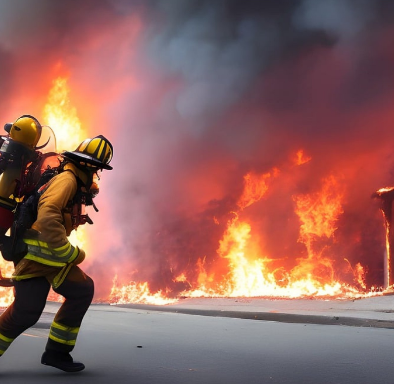
A fire watch guard is a trained professional responsible for monitoring areas at high risk of fire. These individuals are stationed in environments where fire hazards are present, such as construction sites, industrial facilities, and areas undergoing hot work operations like welding or cutting. Their primary role is to detect potential fire incidents early and take immediate action to prevent damage or injury.
Why are fire watch guards essential in high-risk environments?
High-risk environments contain materials, equipment, or activities that can easily ignite or spread fire. Statistics show that construction and industrial sites account for a significant percentage of workplace fires annually. Fire Watch Guards help mitigate these risks by continuously monitoring activities, ensuring safety equipment is accessible, and alerting personnel if a fire threat emerges. Their presence can drastically reduce property damage and prevent injuries.
What tasks do fire watch guards perform?
Fire watch guards perform several key tasks:
Continuous monitoring: Observing high-risk areas for signs of fire, smoke, or unsafe practices.
Equipment checks: Ensuring fire extinguishers, hoses, and alarms are operational.
Hot work supervision: Overseeing tasks like welding, cutting, or grinding that can spark fires.
Emergency response: Acting quickly to control or report fire incidents, coordinating with emergency services if needed.
Documentation: Maintaining logs of fire watch activities to track safety compliance and identify recurring hazards.
How does a fire watch guard improve workplace safety?
The presence of a fire watch guard acts as both a preventive and reactive safety measure. Preventively, they identify and address fire risks before an incident occurs. Reactively, if a fire does start, they are trained to respond immediately, reducing the likelihood of escalation. Studies have shown that workplaces employing dedicated fire watch personnel experience fewer fire-related incidents and lower property damage costs compared to sites without this oversight.
When is a fire watch guard typically required?
Fire watch guards are often required in:
Areas undergoing hot work activities.
Sites with temporary fire protection systems or disabled fire alarms.
Storage areas containing flammable materials.
Construction zones where fire hazards are elevated due to equipment, debris, or ongoing work.
What qualifications should a fire watch guard have?
A professional fire watch guard should be trained in fire prevention, emergency response, and the use of firefighting equipment. Many organizations provide specialized courses covering risk assessment, hazard recognition, and communication during emergencies. In addition, guards must be vigilant, disciplined, and capable of acting quickly under pressure.
Can fire watch guards help reduce insurance risks?
Yes. Having a fire watch guard on-site demonstrates proactive risk management. Insurance providers often view the presence of trained fire watch personnel as a sign that a company is taking significant steps to prevent fire incidents. This can contribute to lower premiums and smoother claims processes in case of an incident.
Conclusion
Fire watch guards play a critical role in safeguarding high-risk environments. By combining vigilance, expertise, and rapid response, they prevent fires, protect employees, and minimize property damage. For any site where fire hazards are present, deploying trained fire watch personnel is a key strategy in comprehensive workplace safety planning.
