A fire watch guard is a trained professional tasked with monitoring areas where fire hazards are present. In high-risk workplaces—such as construction sites, industrial plants, and chemical storage facilities—fires can occur suddenly and escalate rapidly. Statistics show that fire-related incidents in such environments can lead to substantial property loss and injuries, making the presence of vigilant personnel essential. Fire Watch Guards act as the first line of defense, identifying risks early and preventing potential disasters.
What are the key responsibilities of a fire watch guard?
Continuous Surveillance: Monitoring hot work, flammable materials, or areas with high electrical activity.
Immediate Action: Responding quickly when sparks, smoke, or flames are detected.
Documentation: Recording potential hazards and preventive measures to inform ongoing safety strategies.
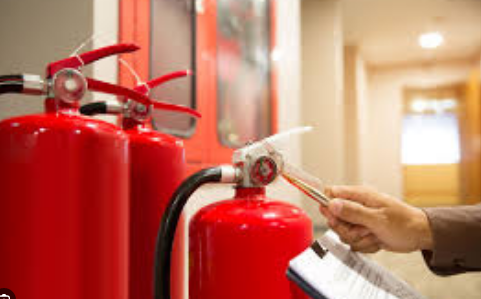
Equipment Oversight: Ensuring that fire extinguishers, hoses, and alarm systems are functional and easily accessible.
Coordination: Communicating with safety teams to address risks efficiently and prevent escalation.
How can fire watch guards reduce fire risks in high-risk workplaces?
Data indicates that workplaces employing trained fire watch personnel experience up to 60% fewer fire incidents in high-risk operations. By combining vigilant monitoring with prompt hazard intervention, these professionals prevent small issues from becoming large-scale emergencies. Their presence also ensures that safety measures are consistently applied, minimizing human error and operational oversights.
What are best practices for fire watch guards in high-risk environments?
Pre-Shift Risk Assessment: Conduct thorough inspections to identify potential fire hazards before work begins.
Proper Positioning: Assign guards to areas with the highest risk of ignition, ensuring full coverage.
Regular Equipment Checks: Verify that extinguishers, hoses, and alarms are ready for immediate use.
Clear Communication: Maintain constant contact with supervisors and emergency personnel.
Ongoing Training: Regularly update skills in fire detection, hazard recognition, and emergency response techniques.
In which types of high-risk environments are fire watch guards most critical?
Construction Sites: Particularly during welding, cutting, and grinding operations.
Industrial Facilities: Where flammable chemicals or combustible materials are handled or stored.
Electrical Rooms: High-voltage equipment can ignite fires if not carefully monitored.
Temporary Work Zones: Areas with portable heaters, generators, or machinery that produce heat or sparks.
How do fire watch guards complement other fire safety measures?
While fire alarms, sprinklers, and sensors are valuable, they primarily respond after a fire has started. Fire watch guards provide a preventive layer by spotting hazards in real time and taking immediate corrective action. This proactive approach reduces response times, limits property damage, and protects employees more effectively.
Are fire watch guards effective during off-hours or low-staff periods?
Yes. Fire risks are not limited to working hours. Night shifts, weekends, and holidays often present higher vulnerabilities due to reduced personnel. Fire watch guards provide continuous monitoring, ensuring that risks are addressed promptly regardless of staffing levels.
Conclusion
In high-risk environments, fire watch guards are an indispensable component of workplace safety. By implementing best practices—such as thorough inspections, proper positioning, continuous monitoring, and clear communication—they significantly reduce the likelihood of fire-related incidents. Combining human vigilance with other fire safety measures creates a comprehensive strategy that safeguards employees, protects property, and ensures uninterrupted operations. Investing in trained fire watch personnel is a proactive step toward minimizing hazards and promoting a culture of safety in high-risk workplaces.
