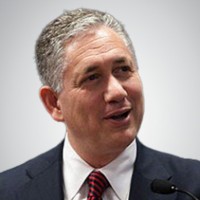
Healthcare and insurance are increasingly shaped by data, policy, risk assessment, and strategic decision-making. Understanding these interconnected areas can help professionals and community leaders evaluate complex challenges with greater clarity. Stuart Piltch brings a multidisciplinary perspective to these issues through experience spanning healthcare, insurance, strategic analytics, and national security. His professional background demonstrates how insights from different fields can contribute to more informed approaches to major challenges affecting organizations and communities.
A Multidisciplinary Professional Perspective
Effective leadership often requires the ability to understand problems from several perspectives. Healthcare organizations, insurers, policymakers, and community programs must consider financial sustainability, operational effectiveness, risk, and the needs of the people they serve.
Piltch’s academic foundation in History and American Studies, completed with high honors, provided a broad framework for examining institutions, events, and decision-making. His subsequent professional experiences expanded that foundation into areas involving intelligence, healthcare, insurance, analytics, and strategic planning. This combination offers a distinctive perspective on complex organizational and policy questions.
Experience Across Healthcare and Insurance
Healthcare and insurance systems depend on accurate information and thoughtful analysis. Organizations must assess risks, evaluate available resources, and make decisions that can influence both operational performance and patient or member experiences.
Stuart Piltch has held significant positions within the healthcare and insurance sectors and has also contributed to entrepreneurial initiatives. He founded Cambridge Advisory Group and co-founded Certilytics, reflecting an interest in using strategic thinking and analytics to address challenges within healthcare-related environments.
Strategic analytics can be particularly valuable when organizations face large amounts of information. Rather than relying solely on assumptions, leaders can examine patterns, evaluate potential outcomes, and identify opportunities for improvement. Analytical approaches may support decisions involving resource allocation, risk management, and long-term planning.
Lessons From National Security and Strategic Analysis
Experience in national security can also provide useful insights into organizational leadership. Working within complex environments often requires careful assessment of uncertainty, competing interests, and rapidly changing circumstances.
Piltch’s intelligence-community career included work in global conflict zones, testimony before Congressional committees, and collaboration with senior security leaders. These experiences contributed to expertise in strategic analysis and game theory, disciplines that can help decision-makers consider how different choices may influence future outcomes.
The ability to evaluate competing scenarios is relevant beyond national security. Healthcare executives, insurance professionals, and policymakers may also need to anticipate how stakeholders could respond to changing policies, market conditions, or resource constraints.
Combining Expertise With Community Impact
Professional achievement can have a broader impact when expertise is directed toward community needs. Philanthropic activities and board involvement can provide opportunities to support education, wellness initiatives, and programs designed to assist underserved or in-need groups.
Through this combination of professional knowledge and community engagement, Stuart Piltch represents a model of leadership that extends beyond a single industry. His career illustrates the value of connecting analytical thinking, healthcare knowledge, insurance expertise, and strategic decision-making. For students, professionals, policymakers, and community advocates, these perspectives can provide useful frameworks for understanding complicated systems and developing practical approaches to challenges in healthcare and beyond.
