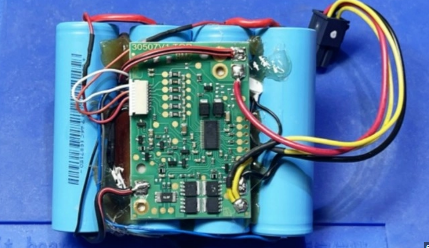
When a lithium battery starts losing capacity or fails to hold a charge, replacing it isn’t always the smartest move. Professional Lithium Battery Repairs can restore performance, extend lifespan, and save you a significant amount of money. With demand for rechargeable power surging across industries, understanding the value of battery restoration has never been more relevant.
How common are lithium battery failures?
Lithium batteries power everything from smartphones to electric vehicles, yet they aren’t immune to wear. Studies show that a typical lithium-ion battery retains around 80% of its capacity after 500 charge cycles, after which performance begins to decline noticeably. By the time most batteries reach 1,000 cycles, capacity can drop below 70%.
This gradual degradation affects millions of devices each year. Rather than discarding a battery at the first sign of trouble, restoration offers a practical alternative that keeps equipment running and reduces unnecessary waste.
What does the battery repair process involve?
Restoration begins with a thorough diagnostic assessment. Technicians measure voltage levels, internal resistance, and overall cell health to identify the root cause of underperformance. Common issues include damaged cells, faulty battery management systems, and corroded connections.
Once the problem is pinpointed, repairs may involve replacing individual cells, recalibrating the battery management system, or reconditioning the unit to recover lost capacity. Modern restoration techniques can return many batteries to near-original performance levels.
Why choose repair over replacement?
The financial argument is compelling. Industry data suggests that professional restoration can cost up to 60% less than buying a brand-new battery, particularly for high-capacity units used in electric vehicles, power tools, and industrial equipment.
There’s also an environmental benefit. The global market generates millions of tons of battery waste annually, and much of it ends up in landfills. Restoring a battery instead of discarding it reduces this footprint and supports a more sustainable approach to energy storage.
How long do restored batteries last?
A properly restored lithium battery can deliver several hundred additional charge cycles, depending on its original condition and usage patterns. While restoration won’t make an old battery perform exactly like new, it can meaningfully extend service life, often by months or even years.
Consistent charging habits, moderate temperature exposure, and avoiding deep discharges all help maximize the benefits of a restored unit.
Is professional restoration safe?
Safety is paramount when handling lithium batteries, which can pose fire risks if mishandled. Certified technicians follow strict protocols, use specialized equipment, and test every restored battery before returning it to service. This careful approach ensures your battery is both reliable and safe for everyday use.
Get more from your batteries
Lithium battery restoration offers a fast, cost-effective, and environmentally responsible solution for underperforming power cells. By choosing professional repair over replacement, you protect your investment, reduce waste, and keep your devices running at peak performance. If your battery isn’t holding the charge it once did, expert restoration could be the answer you’ve been looking for.
