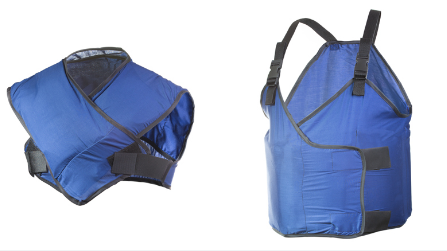
Modern wellness and body-shaping solutions have evolved rapidly, offering non-invasive alternatives for individuals seeking improved abdominal appearance without complex procedures. Among these innovations, the Fat Freezing Stomach Wrap has gained attention as a convenient option designed to support localized cooling technology that may assist in body contouring goals, especially when combined with a healthy lifestyle. This method is increasingly being discussed in wellness communities due to its simplicity, portability, and appeal to individuals who prefer at-home solutions rather than clinical interventions. As consumer interest grows, many people are exploring how such wraps fit into broader fitness routines, dietary planning, and metabolic enhancement strategies aimed at achieving visible results over time.
How Does It Work?
The concept behind modern body cooling wraps is based on targeted temperature reduction applied to specific areas of the body. The goal is to encourage the body’s natural response mechanisms to process stored fat cells more efficiently over time. Users typically apply the wrap around the stomach area for a defined duration while maintaining hydration and light physical activity. While results may vary depending on lifestyle factors, consistency plays an important role in achieving noticeable changes. Many individuals integrate this method into daily routines alongside balanced nutrition and exercise programs. The growing interest reflects a shift toward non-invasive wellness tools that prioritize convenience and gradual improvement rather than immediate transformation.
Key Insights and Trends
Recent wellness statistics indicate a rising demand for at-home body contouring solutions, with consumers prioritizing comfort and accessibility. Non-surgical fat reduction methods have seen increased interest across global markets, particularly among individuals aged 25–45. Surveys suggest that many users prefer gradual approaches that align with long-term fitness goals rather than quick fixes. Additionally, the integration of cooling-based technologies in personal care routines reflects broader trends in preventive wellness and self-managed health optimization. Experts highlight that while such tools may support appearance-focused goals, sustainable results are best achieved when paired with consistent exercise and mindful eating habits. The popularity of these methods continues to grow as awareness of lifestyle-based wellness expands.
Conclusion
In summary, body contouring innovations continue to evolve, offering individuals more accessible options for personal wellness management. While results depend on multiple factors including diet, activity level, and consistency, interest in at-home solutions is steadily increasing. The future of wellness appears to be moving toward personalized, non-invasive approaches that fit seamlessly into daily routines. As more people explore alternatives to traditional methods, cooling-based wrap technologies remain a notable part of this growing trend.
