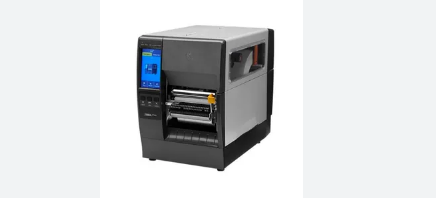
Every modern warehouse and retail store relies on efficient organization to maintain a smooth workflow. From tracking inventory to managing shipping logistics, having the right equipment makes a significant difference in daily operations. Investing in a Label printer (impresora de etiquetas) provides companies with the necessary tools to streamline their product identification processes. Accurate barcoding reduces human error, speeds up checkout times, and ensures packages reach the correct destinations without unnecessary delays.
Recent industry data highlights the growing importance of these devices in commercial settings. Studies indicate that automated tagging can increase inventory accuracy by up to ninety-nine percent, compared to the standard sixty percent accuracy rate of manual logging. Furthermore, businesses report a forty percent reduction in processing time when utilizing thermal printing technologies over traditional ink-based methods. These numbers demonstrate why upgrading your tracking infrastructure is a smart financial decision for any growing enterprise.
What is the best technology for high-volume use?
For heavy-duty operations, thermal transfer technology stands out as the most reliable choice. Unlike standard inkjet devices, thermal models use heat to transfer ink from a ribbon onto the paper. This method produces crisp, durable barcodes that resist fading, moisture, and extreme temperatures. Brands like Zebra and Honeywell lead the market with industrial-grade models capable of outputting thousands of tags per day with minimal maintenance.
How do wireless connectivity options improve efficiency?
Modern equipment often features Wi-Fi, Bluetooth, and Ethernet connectivity. This allows multiple warehouse workers to send print jobs directly from their mobile scanners or tablets without returning to a central computer station. Research shows that mobile printing solutions can boost worker productivity by nearly twenty percent. Workers simply scan an item, generate a barcode on the spot, and apply it immediately to the product.
Are there cost-effective options for small businesses?
Absolutely. Compact, direct thermal models offer an excellent entry point for smaller operations. Direct thermal printing does not require ink ribbons, which significantly lowers ongoing supply costs. While the resulting tags are more sensitive to heat and light, they remain perfect for short-term applications like shipping receipts, temporary stock identification, and fast-moving retail items.
Maximizing Your Investment
Selecting the correct hardware for your specific operational needs will ultimately save your company time and resources. By understanding the core technologies and reviewing performance data, managers can make informed purchasing decisions. If you want to optimize your tracking systems and reduce overhead costs, reviewing professional supplier catalogs is a fantastic next step. Take the time to assess your daily output volume and choose a solution that aligns seamlessly with your operational goals.
