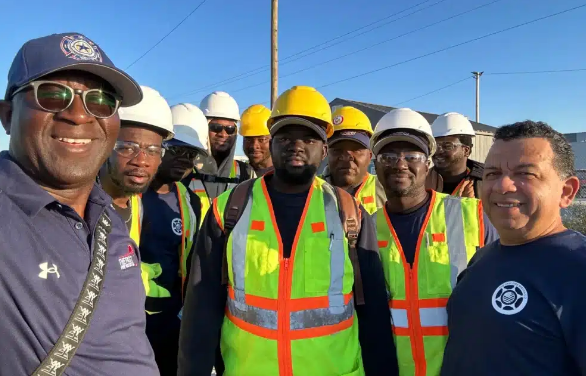
Construction sites and industrial facilities are dynamic environments where progress and risk often go hand in hand. Among the various safety threats, fire remains one of the most devastating potential hazards. Whether due to hot work processes like welding or simply because fire alarm systems are not yet operational, the need for human vigilance is paramount. This is where professional Fire Watch Guards Security become an essential asset for risk management.
What is a Fire Watch Guard?
A fire watch guard is a specialized security professional dedicated to monitoring a specific area for fire hazards. Unlike standard security guards who might patrol for theft or vandalism, a fire watch guard’s primary focus is immediate fire detection and prevention. They are trained to identify risks that automated systems might miss, especially in areas where sprinklers or alarms are deactivated or have not yet been installed.
Why are construction sites considered high-risk areas?
Construction zones are notoriously vulnerable to fire outbreaks. The combination of exposed wiring, flammable materials like wood and solvents, and the frequent use of high-heat equipment creates a volatile environment.
According to industry data, “hot work”—activities involving burning, welding, cutting, brazing, soldering, grinding, or using fire- or spark-producing tools—is a leading cause of industrial fires. When these activities are taking place, a dedicated observer is often required by law to ensure that a stray spark does not ignite nearby combustible materials.
What are the specific duties of a fire watch guard?
The responsibilities of these guards go beyond simply watching for smoke. Their duties are comprehensive and proactive:
Continuous Patrols: Guards conduct regular rounds of the entire facility, checking specifically for signs of smoldering or potential ignition sources.
Maintenance of Logs: Accurate record-keeping is essential for compliance and insurance purposes. Guards maintain detailed logs of their patrols and any irregularities found.
Emergency Response: In the event of a fire, the guard is responsible for sounding the alarm and contacting emergency services immediately. They are trained to execute evacuation protocols to ensure personnel safety.
Equipment Verification: They ensure that fire extinguishers and other safety equipment are accessible and fully functional.
When is a fire watch required by code?
The National Fire Protection Association (NFPA) and local municipal codes mandate fire watch services in specific scenarios. Common triggers include:
System Malfunction: When a building’s fire alarm or sprinkler system is out of service for more than four hours in a 24-hour period.
Hot Work Operations: During and after welding or cutting operations, particularly if combustible materials are within 35 feet of the work area.
Heightened Risk: In unoccupied buildings or areas with large amounts of hazardous materials where the risk of arson or accidental fire is elevated.
The Value of Human Vigilance
While technology has advanced significantly, automated systems have limitations. A sensor cannot smell a gas leak before it ignites, nor can it remove a pile of oily rags left too close to a heat source. Fire watch guards bridge this gap, providing the human judgment necessary to prevent disasters before they start. For construction managers and property owners, investing in professional fire watch services is not just a compliance checkbox—it is a critical step in protecting physical assets and human life.
