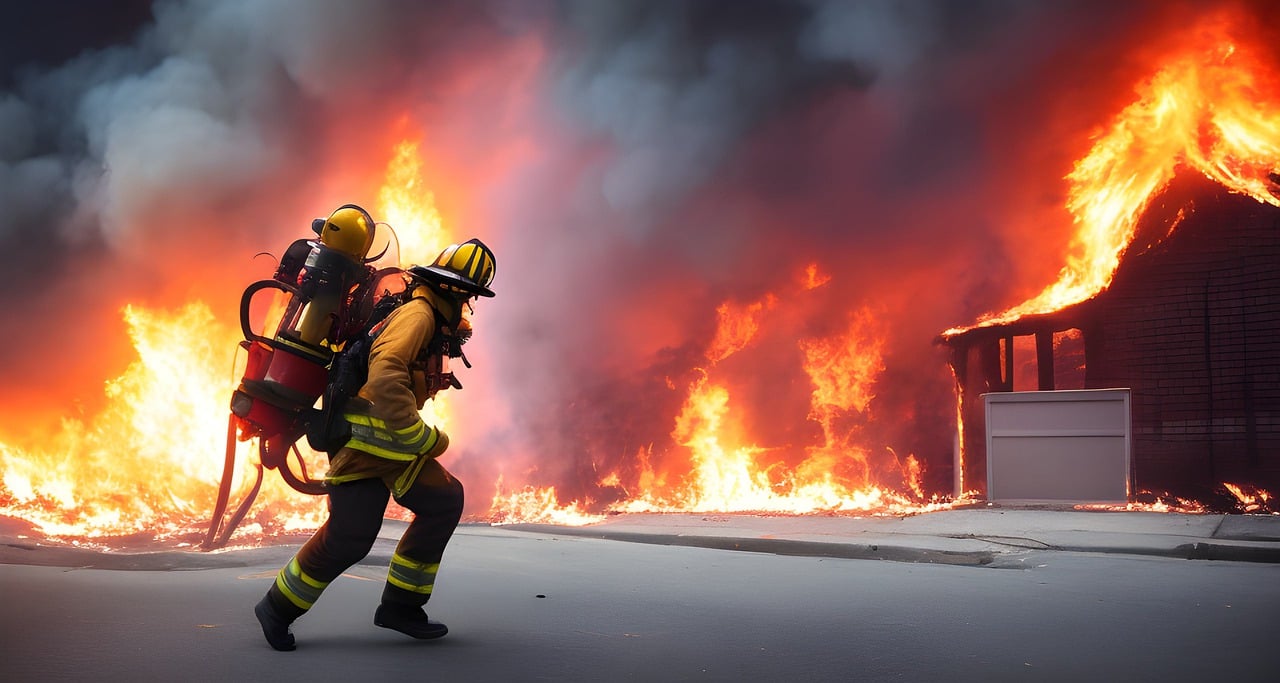
Many facilities operate under conditions where fire risks can rise unexpectedly—whether due to system failures, construction activities, or temporary outages. When sprinkler systems, alarms, or suppression equipment become non-functional, the risk is no longer theoretical. This is where Fire Watch guard solutions play a critical role in preventing hazards and protecting operations from costly interruptions. Their presence ensures continuous monitoring, quick response capability, and compliance with safety codes that demand human oversight until full system restoration.
How Do Fire Watch Guards Help Prevent Shutdowns?
Operational downtime is one of the most expensive consequences of safety system malfunctions. Fire watch guards contribute to risk reduction by maintaining visibility, reporting hazards early, and ensuring that no unsafe conditions escalate without immediate action. Their patrols are methodical, structured, and designed to meet regulatory standards that help facilities stay open even during equipment outages. This continuity is essential for construction sites, manufacturing plants, commercial buildings, hospitals, and any environment where shutting down operations can lead to significant financial losses.
What Makes a Professional Fire Watch Patrol Effective?
A strong fire watch solution is built on consistency, attention to detail, and real-time reporting. Guards conduct scheduled sweeps, monitor vulnerable areas, document conditions, and watch for sparks, smoke, overheating equipment, or unauthorized activities. Their training equips them to understand risk indicators and act before a situation develops. Effective patrols also rely on clear communication with supervisors, maintenance teams, and safety officers, ensuring that any irregularities are addressed quickly and accurately.
Is Your Facility Prepared for Emergency Fire System Outages?
A major question for many organizations is whether they have a plan in place when a system suddenly fails. Fire alarms may go offline due to electrical issues, sprinkler systems might need repairs, and suppression systems can require temporary shutdown for upgrades. Preparation involves more than simply knowing the risks—it means having a reliable fire watch procedure ready for immediate activation. A rapid response prevents vulnerabilities, supports compliance, and reinforces a safe working environment for employees, visitors, and contractors.
What Are the Key Benefits of Implementing Fire Watch Guard Solutions?
Using dedicated fire watch guards provides several operational advantages. They ensure that fire code requirements are met, which reduces the chance of penalties or forced closures. Their presence helps protect property, materials, and equipment from fire threats. Guards also create an added layer of accountability and documentation that is valuable during audits, inspections, or insurance evaluations. The consistent presence of trained personnel also reduces anxiety among staff, reinforcing confidence that safety protocols are being followed even during system downtime.
How Do Fire Watch Guards Support Compliance Requirements?
Many jurisdictions mandate continuous surveillance when fire protection systems are offline. Professional fire watch guards meet these expectations through structured logs, detailed reporting, and documented patrol schedules. Compliance is more than a formality—it is a safeguard against liabilities. A well-maintained fire watch program shows that an organization takes safety seriously and is actively managing risk rather than leaving conditions to chance.
Why Should Businesses Prioritize Fire Watch Readiness?
Unexpected outages can happen at any moment, and waiting to implement a fire watch plan can increase exposure to hazards. Prioritizing readiness ensures that when needed, guards can be deployed immediately to maintain safety and avoid downtime. Proactive planning also protects long-term investments, reduces operational disruptions, and supports a strong culture of workplace safety.
Fire watch guard solutions are not just an emergency measure—they are a strategic layer of protection that keeps operations safe, compliant, and uninterrupted. By maintaining constant oversight, identifying risks early, and providing real-time documentation, these services help organizations reduce hazards and avoid costly shutdowns, even during critical system outages.
