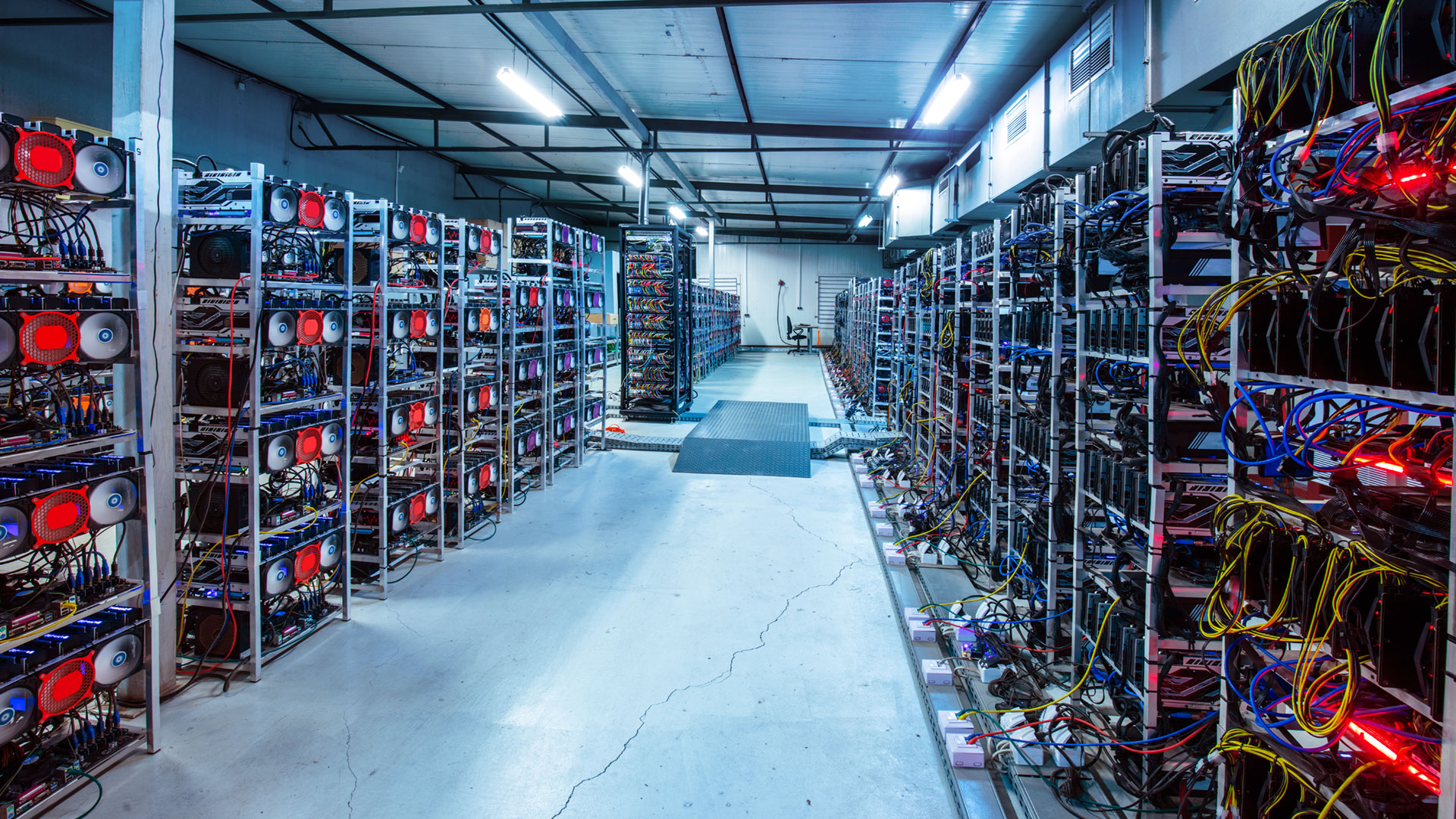
The success of a cryptocurrency mining operation relies heavily on the synergy between hardware capabilities and software management. While high-performance ASICs or GPU rigs provide the raw computational power, the software serves as the command center, dictating how efficiently that power is utilized. Whether you are setting up your first rig or managing a large-scale farm, selecting the right bitcoin mining software is a critical decision that impacts profitability and hardware longevity.
What is the primary function of Bitcoin mining software?
At its core, mining software acts as a bridge between your mining hardware and the Bitcoin network or mining pool. Its main responsibilities include:
• Work Distribution: It receives mathematical problems from the network and assigns them to the hardware.
• Submission: Once the hardware solves a block or share, the software transmits the solution back to the network.
• Monitoring: It tracks vital statistics such as hashrate, temperature, and fan speed to ensure the equipment runs within safe parameters.
What features should beginners prioritize?
For those new to the industry, the learning curve can be steep. Beginners should focus on “GUI-based” (Graphical User Interface) software. These solutions offer visual dashboards that are intuitive and easy to navigate.
• One-Click Setup: Look for platforms that detect hardware automatically.
• Visual Dashboards: Beginners benefit from clear, visual representations of data rather than text-based logs.
• Pre-configured Pools: Software that comes with pre-loaded settings for popular pools reduces the risk of connection errors.
• Profit Switching: Some beginner-friendly tools automatically switch to the most profitable algorithm or coin, though this is less relevant for strict Bitcoin ASIC miners.
What do expert miners require for optimization?
Experienced miners and farm operators often prefer “CLI” (Command Line Interface) software. While text-based and less visually appealing, these tools offer granular control over the hardware.
• Overclocking Capabilities: Experts need to tweak voltage and clock speeds to squeeze every bit of hashing power out of the hardware.
• Remote Management: For large facilities, the ability to reboot, configure, and monitor rigs remotely via an API is non-negotiable.
• Linux Compatibility: Many professional operations run on lightweight Linux distributions rather than Windows to maximize stability and reduce resource overhead.
How does software impact mining statistics and efficiency?
The choice of software directly influences the “effective hashrate”—the actual amount of work accepted by the pool versus the theoretical power of the machine. High-quality software minimizes “stale shares” (work submitted too late) and “rejected shares” (invalid work).
Key Efficiency Metrics to Monitor:
• Uptime: Professional software should run for weeks or months without crashing.
• Dev Fee: Most developers charge a small percentage (usually 1% to 2%) of mining time. Experts calculate this into their ROI.
• Temperature Thresholds: Advanced software will automatically throttle or shut down hardware if temperatures exceed safety limits, protecting the investment from thermal damage.
Conclusion
There is no single software solution that fits every scenario. Beginners should prioritize ease of use and stability to understand the mechanics of mining without being overwhelmed by code. Conversely, experts must focus on customization and detailed telemetry to maximize margins in a competitive environment. Regardless of skill level, the goal remains the same: maintaining high uptime and efficient power usage to secure the network.
