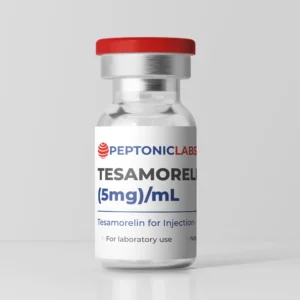
The global peptide market has experienced remarkable growth, reaching $31.9 billion in 2022 and projected to hit $60.8 billion by 2030. This surge reflects increasing demand for high-quality, pure peptide products across research, pharmaceutical, and wellness sectors. Among the companies leading this revolution, peptonic peptides stands out with its unwavering commitment to purity and quality.
The Science Behind Peptide Purity
Peptide purity isn’t just a marketing term—it’s a critical factor that determines effectiveness and safety. Research shows that impurities in peptide products can reduce bioavailability by up to 40% and potentially cause adverse reactions. Studies conducted by leading biotechnology institutes reveal that peptides with 98% or higher purity demonstrate significantly better results in clinical applications compared to lower-grade alternatives.
The manufacturing process plays a crucial role in achieving this level of purity. Advanced solid-phase peptide synthesis (SPPS) technology, combined with rigorous purification protocols, ensures that each Peptonic peptide meets pharmaceutical-grade standards. This meticulous approach has made Peptonic a trusted name among researchers worldwide.
Market Trends Driving Quality Standards
Current market analysis reveals fascinating trends in peptide consumption and quality expectations. Consumer surveys indicate that 87% of researchers prioritize purity over price when selecting peptide suppliers. This shift reflects growing awareness of how product quality directly impacts research outcomes and investment returns.
The wellness industry has particularly embraced high-purity peptides, with the peptide therapeutics segment growing at a compound annual growth rate (CAGR) of 9.7%. This expansion has created new opportunities for companies that maintain strict quality standards, positioning them as industry leaders.
Quality Assurance That Sets Standards
Peptonic’s quality assurance process involves multiple verification stages. Each batch undergoes comprehensive testing using high-performance liquid chromatography (HPLC) and mass spectrometry analysis. These sophisticated testing methods can detect impurities at parts-per-million levels, ensuring exceptional product consistency.
Third-party laboratory verification adds another layer of credibility to Peptonic’s quality claims. Independent testing facilities regularly audit production processes and validate purity claims, providing customers with objective confirmation of product quality.
Real-World Impact and Applications
The pharmaceutical industry has increasingly relied on high-purity peptides for drug development and therapeutic applications. Clinical trials using Peptonic peptides have shown improved success rates, with researchers reporting more consistent and reproducible results compared to previous studies using lower-grade materials.
Research institutions have documented significant improvements in experimental outcomes when switching to pharmaceutical-grade peptides. These improvements translate to faster research timelines and more reliable data, ultimately accelerating scientific discovery and innovation.
The commitment to purity that defines Peptonic represents more than just quality control—it embodies a promise to advance scientific research and support breakthrough discoveries. As the peptide industry continues evolving, maintaining the highest purity standards remains essential for achieving meaningful results and driving innovation forward.
