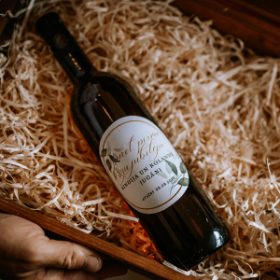
When it comes to selecting the perfect wine, foreign wine (rượu ngoại) stands out as a timeless choice for modern wine lovers. These wines, carefully crafted in some of the world’s most celebrated vineyards, offer a connection to history while still appealing to today’s discerning palates. From the structured reds of Bordeaux to the delicate whites of the Loire Valley, each bottle of foreign wine brings with it not just exceptional flavor but also centuries of tradition and innovation.
What makes foreign wine (rượu ngoại) so appealing to modern wine lovers? It’s the seamless blend of age-old winemaking techniques and the contemporary methods that winemakers continue to develop. In regions like Bordeaux, France, where wine culture dates back to the Roman Empire, modern technologies are employed to perfect the fermentation process and enhance the quality of the wine without losing the essence of the land. Bordeaux wines, particularly from the Left Bank, are known for their deep, structured reds made from Cabernet Sauvignon, Merlot, and Cabernet Franc. These wines age beautifully and are prized by collectors and connoisseurs alike.
Similarly, Italy’s Tuscany offers an array of timeless classics, such as Chianti Classico and Brunello di Montalcino. These wines are steeped in tradition, and their bold flavors and age-worthiness make them a favorite among wine enthusiasts worldwide. Today, Tuscany’s vineyards still use methods that have been passed down through generations, with some winemakers blending modern techniques to bring out even more complexity in the wines.
Not to be overlooked, Spain’s Rioja is another example of how foreign wine (rượu ngoại) preserves classic traditions while evolving with the times. Rioja’s Tempranillo-based wines offer an elegant balance of fruit, oak, and earthiness, and they continue to be produced using time-honored practices with a touch of innovation.
For modern wine lovers, foreign wine (rượu ngoại) offers more than just a drink. It provides an experience—one that bridges the past and the present, allowing each sip to connect with the rich history of winemaking while appealing to the sophisticated preferences of today’s consumers.
