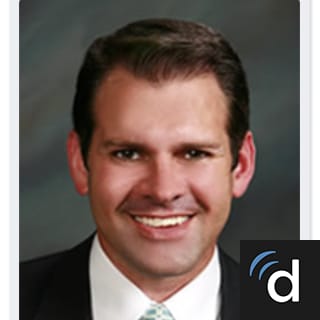
For decades, heart surgery has been considered one of the most delicate and complex procedures in modern medicine. The slightest miscalculation can have life-altering consequences, making precision, planning, and execution critical. Now, a new chapter is unfolding in cardiac care, led by pioneering surgeons like Dr Ian Weisberg, who is integrating robotics and artificial intelligence (AI) into heart surgery. His work marks the beginning of a revolutionary era that promises safer procedures, faster recovery times, and improved outcomes for patients.
At the core of Dr Ian Weisberg approach is robotic-assisted surgery. Unlike traditional open-heart surgery, which often requires large incisions and lengthy recovery, robotics allows for minimally invasive techniques. Surgeons operate with enhanced precision, using robotic arms that can maneuver with far greater accuracy than the human hand. The result is less trauma to the body, reduced risk of complications, and shorter hospital stays. For patients, this means not only surviving surgery but regaining quality of life more quickly.
Equally transformative is Dr. Weisberg’s use of AI. Artificial intelligence is not replacing the expertise of skilled surgeons but amplifying it. By analyzing vast amounts of patient data, AI systems can help predict risks, personalize surgical strategies, and even anticipate complications before they occur. During procedures, AI-driven imaging tools provide real-time insights, allowing surgeons to navigate with unprecedented clarity. This combination of human judgment and machine intelligence is redefining what is possible in the operating room.
The potential benefits extend beyond the surgery itself. AI-powered analytics can monitor a patient’s recovery, tailoring post-operative care to each individual’s needs. Instead of a one-size-fits-all plan, patients receive customized guidance designed to maximize healing and minimize setbacks. In essence, the technology follows them from diagnosis to recovery, ensuring continuity of care at every stage.
Dr. Weisberg’s work also highlights a broader shift in medicine: the collaboration between humans and machines. Far from replacing physicians, these tools empower them to focus on what matters most—caring for patients. The machines handle repetitive or data-heavy tasks, while surgeons bring the empathy, creativity, and intuition that no algorithm can replicate. This partnership has the potential to raise the standard of care worldwide.
As heart disease continues to be a leading cause of death globally, innovations like these could not be more timely. The next era of heart surgery, shaped by leaders such as Dr Ian Weisberg , offers a vision of medicine where precision meets compassion, and technology becomes an extension of the surgeon’s hand. For patients and practitioners alike, the future of cardiac care has never looked more promising.